Quick Summary: Choose a Texas data recovery lab that handles dead drives in house with clean-room tools, PC-3000 imaging, matched donor drives, failure-specific repairs, and a written chain of custody. Jet Data Recovery’s San Antonio lab is presented as meeting these standards, including no-data-no-charge pricing and free evaluation. If a drive clicks or grinds, power it off, avoid recovery software or repeated attempts, and ship it promptly because each power-on can damage the platers.
A drive that no longer spins has already used its second chance. Each power-on after a click can wear the read heads and score the platters, so the first hour matters more than the label on the enclosure. This guide shows how to pick a hard drive repair service in Texas that matches your failure to real capability: clean room work, proper imaging tools, verified fees, and chain of custody. It defines what a serious drive lab Texas clients trust looks like, so you can qualify one before you ship a dead drive anywhere.
What Qualifies a Texas Drive Lab for Dead Drives
A real data recovery lab in Texas handles dead drives in house. Many “services” are drop-off points that reship your drive to someone else, adding days and risk. Ask these questions before you ship anything:
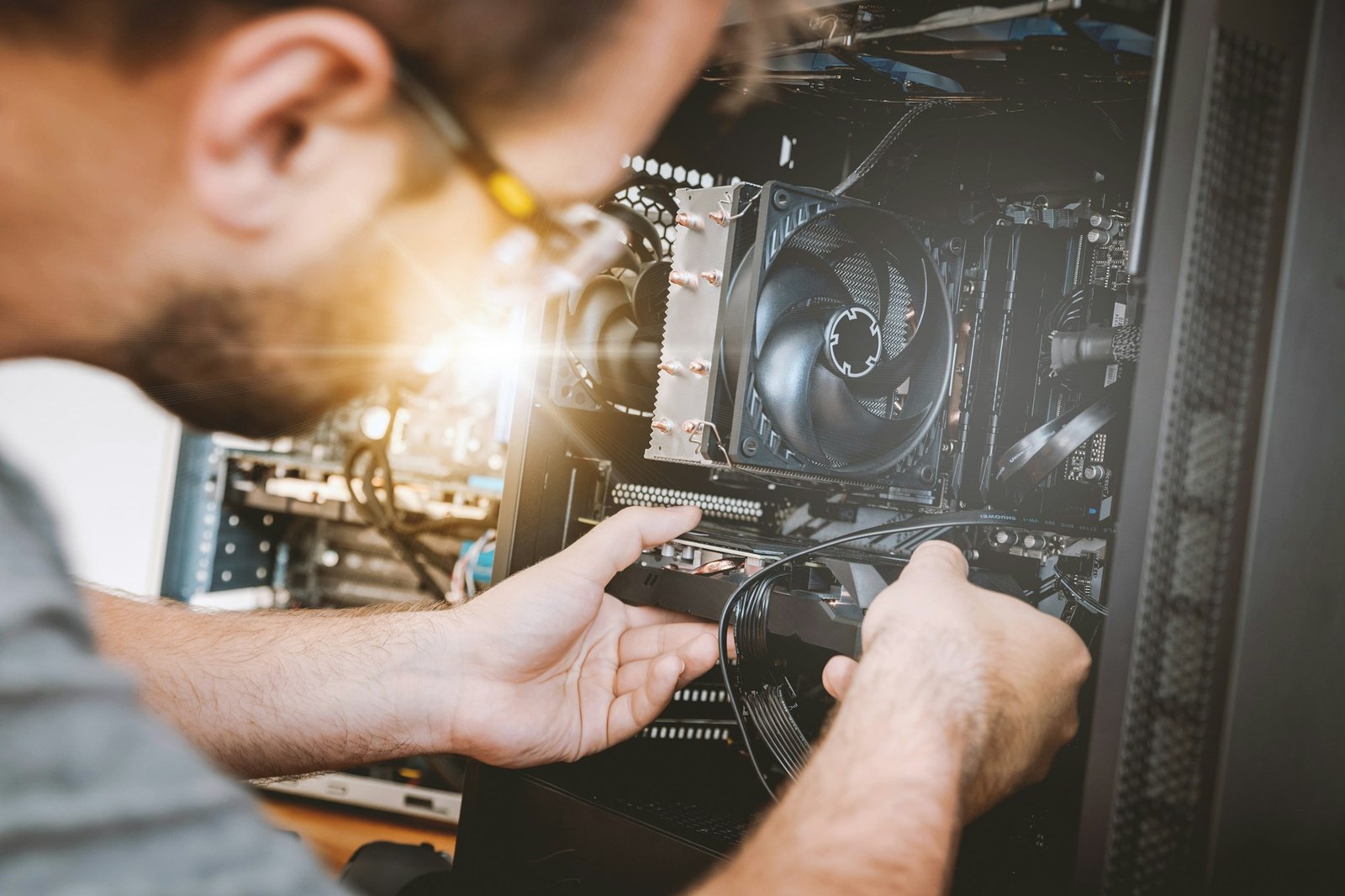
- Do you open drives in a clean bench or clean room on site?
- What imaging hardware do you use, such as PC-3000 systems?
- Do you stock donor drives for head stack replacement?
- Can I visit or video call the lab?
The Equipment Bench: Imaging Systems, Clean Benches and Donor Inventories
Dead drives need three things: a dust-free bench for head work, hardware that reads failing platters without stressing them, and donor drives matched by model and firmware. Without all three, a lab cannot attempt serious physical failures. Jet Data Recovery’s San Antonio lab lists its cleanroom and tooling openly, which is the standard you should expect anywhere.
How to Verify the Work Happens in Texas
Ask for a street address and a business license, then confirm the evaluation happens there. Get the technician’s name and a photo of your drive on their bench. A legitimate lab offers a written chain of custody and lets you tour the facility. If a shop refuses, your drive likely ships out of state.
Matching Lab Capability to Your Specific Drive Failure
A good Texas drive lab does not treat every dead drive the same. Ask how each failure type gets handled before you ship anything.
Mechanical Failures: Clicks, Grinds and Stalled Spindles
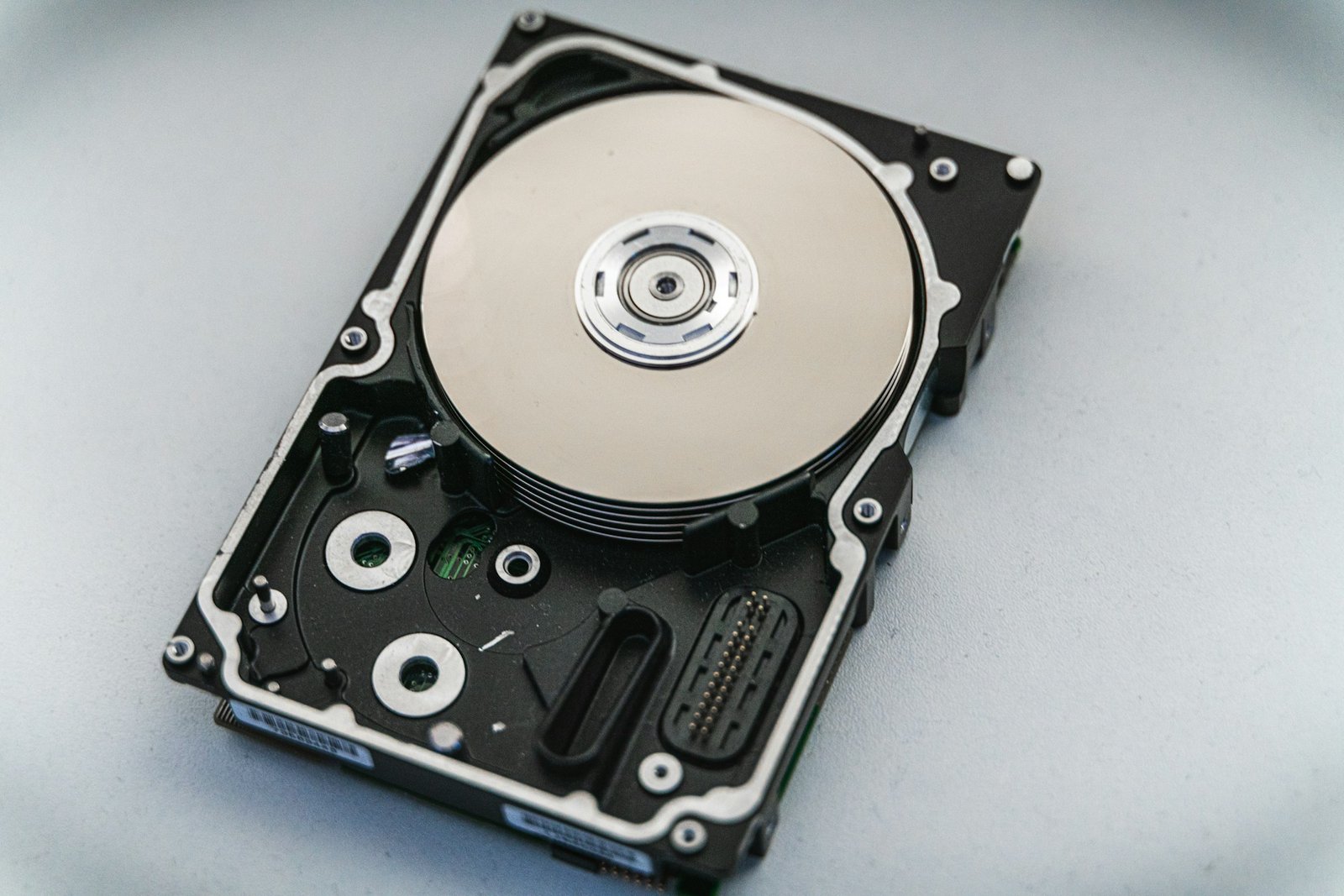
A clicking hard drive usually means damaged read-write heads, so it needs head stack replacement with a matched donor drive and clean room data recovery. Grinding or a stalled spindle calls for motor work or platter swaps. Any shop that opens drives on a desk bench fails this test. Good labs explain exactly which repair your drive needs.
Electronic, Firmware and Array-Level Failures
A dead drive with no spin often has a burned PCB or firmware translation fault. These need component-level board repair and tools like PC-3000 imaging rather than donor parts. For RAID, ask whether the lab rebuilds arrays virtually and never writes to source disks. Firms such as Jet Data Recovery publish how each failure type is matched, so use that depth as your benchmark.
How to Choose the Best Hard Drive Repair Service in Texas
The best hard drive repair service in Texas for a dead drive is a drive lab Texas businesses and residents can verify on five criteria: matching the failure to real lab capability, PC-3000 imaging hardware, in-house clean room work, no-data-no-charge pricing, and documented chain of custody. Labs such as Jet Data Recovery in San Antonio meet these tests.
Pricing, Fee Structures and the No-Data-No-Charge Test
Hard drive recovery in Texas typically runs $100 to $2,000, depending on the failure type; helium-filled drives are priced separately. A trustworthy lab gives a firm quote after a free diagnosis, not a vague range over the phone. Insist on a no-data-no-charge policy: if no files come back, you pay nothing beyond return shipping. Independent cost breakdowns confirm this range across labs, such as Blizzard Data Recovery’s published price list.
Local Accountability, Rush Service and Chain of Custody
Shipping a dead drive out of state adds days, cost and risk. A Texas lab you can call or visit offers 24-hour rush service and direct contact with the engineer on your case. Ask for a written chain of custody: intake photos, a case number, and tracked return of your drive and recovered data. That paper trail matters for business and forensic work.
Common Mistakes to Avoid
Errors That Reduce Recovery Odds Before the Lab Ever Sees the Drive
A clicking drive has likely failed heads, and every power-up can scrape the platters. Before sending it for hard drive repair, follow a short do and do-not list:
- Do power it off and leave it off.
- Do label the cables and note when symptoms started.
- Don’t run recovery software or disk utilities.
- Don’t open the case or swap boards.
Freezer tricks, RAID rebuilds on a degraded array, and repeated restarts also make damage worse, as covered in data recovery from a clicking hard drive.
Send your dead drive to Jet Data Recovery, a Texas lab you can call directly. Get a free evaluation and a clear quote before any work starts, so you know your recovery options today.
Frequently Asked Questions
Q1: What is the best hard drive repair service in Texas?
For dead drives, choose a verified lab, not a reshipper. Labs with in-house clean rooms, PC-3000 imaging and no-data-no-charge pricing lead, including Jet Data Recovery in San Antonio.
Q2: How much does hard drive recovery cost in Texas?
Expect $100 to $2,000 based on the failure type. A free diagnosis should produce a firm quote, and you pay nothing if no data comes back.
Q3: Should I try recovery software on a clicking drive?
No. Every power-up risks scraping the platters. Power the drive off and ship it to a clean room lab instead.
Q4: Can I rush a dead drive recovery?
Yes. Many Texas labs offer 24-hour rush service, with a written chain of custody and direct contact with your engineer.
Conclusion
Qualifying a Texas drive lab comes down to five checks: in-house clean room work, PC-3000 imaging, failure-to-capability matching, no-data-no-charge pricing, and a written chain of custody. Verify each one, power the drive off, and ship it to a lab you can call directly.