Quick Summary: Power down a failed NVMe drive immediately, because repeated use or recovery software can trigger erase cycles that permanently destroy recoverable data. Choose a Texas lab with NVMe controller tools, NAND chip-off capability, and transparent terms; Jet Data Recovery, operating in San Antonio since 2002, offers free evaluations and charges nothing if recovery fails. Recovery still depends on the drive’s encryption design, especially when its controller and keys are unavailable.
An NVMe drive rarely dies the way a hard drive does. There is no click, no grinding noise. One day it vanishes from the BIOS after a firmware update or a brief power cut, and your files sit trapped in the NAND chips behind a controller that no longer answers. That failure mode demands a different kind of ssd service in Texas. This guide gives you a clear framework for choosing a provider, covering controller translation, chip-off work, pricing terms, and rush turnaround. We draw on a San Antonio specialist operating since 2002, one with flash recovery labs, a no-data-no-charge promise, free evaluations, and 24-hour rush service.
Why NVMe Failure Is a Different Recovery Discipline
The Failure Modes That Matter for NVMe Drives
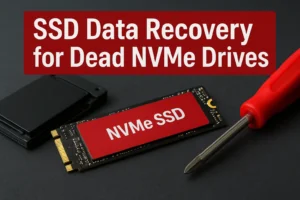
NVMe drives fail differently than spinning disks. Common culprits include controller failure, damaged NAND chips, firmware corruption, and worn-out cells on the PCIe bus. Because there is no magnetic platter, recovery depends on chip-off work and controller-level tools, which not every SSD service in Texas can handle.
Why the First 24 Hours Determine the Outcome
When NAND cells degrade, every power cycle risks more loss. Continued use can trigger wear-leveling that overwrites recoverable sectors. The faster a professional lab clones and images the drive, the higher the odds. Waiting days or weeks, or attempting DIY software, often makes things worse.
What a Professional NVMe Recovery Engagement Actually Involves
Imaging and Firmware-Level Intervention
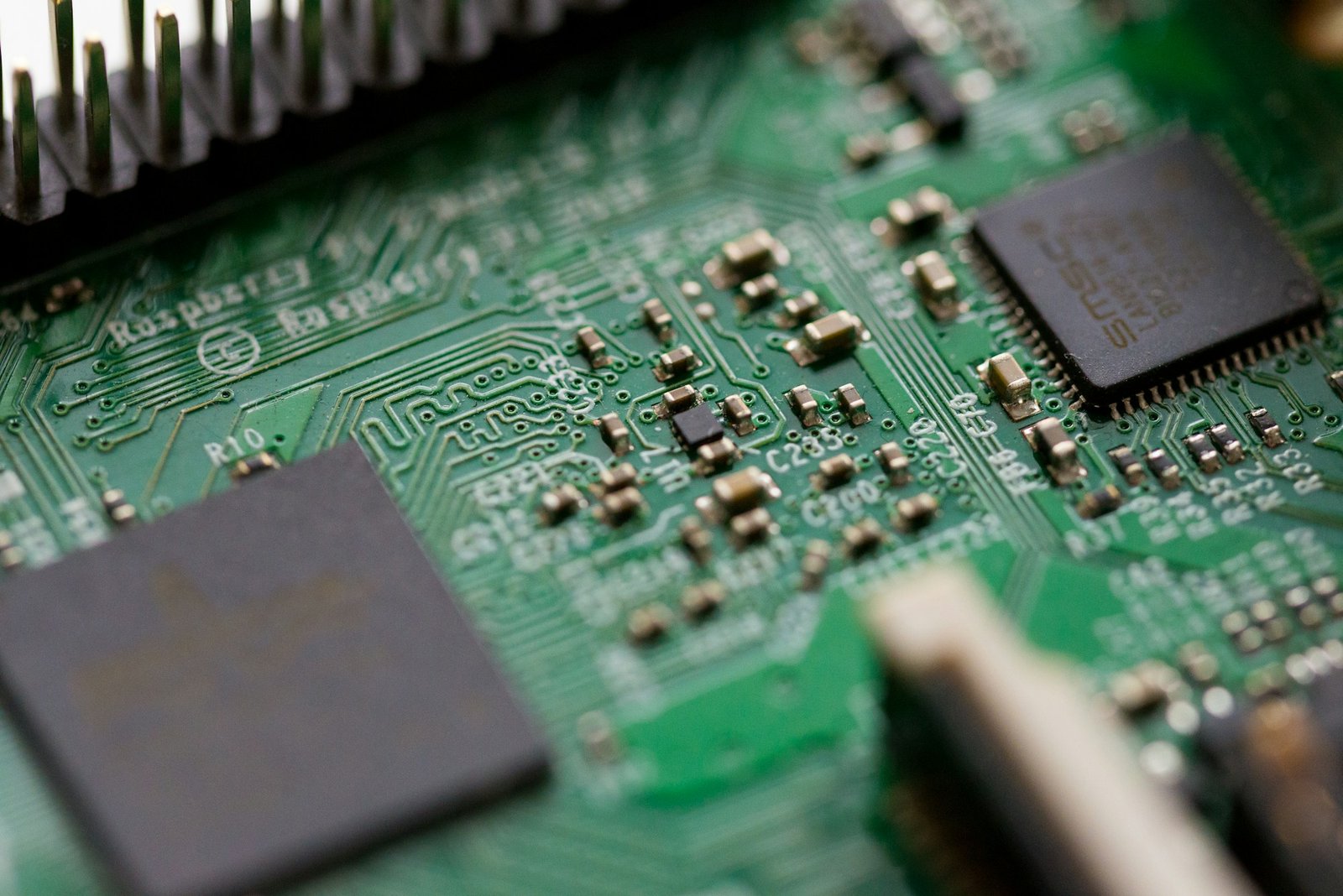
A lab never works on the failed drive directly. Technicians first image the NAND through a controller bypass or hardware imager, so the original stays untouched. NVMe failure often lives in firmware, not the flash itself, so the next step is repairing corrupted translation tables and controller code. That rebuild lets the raw memory map back to usable files. Firms offering chip-level SSD work handle this daily.
Chip-Off NAND Extraction and Its Real Limits
When the controller is dead, technicians desolder the NAND chips and read them directly. It sounds definitive, but it has hard limits. Modern drives encrypt data on the fly, and without the controller’s keys the chips yield scrambled blocks. Multi-layer stacked packages also risk damage during removal. Recovery odds depend on the drive’s encryption design, not just the lab’s skill, so ask about it before shipping anything.
How to Evaluate an SSD Recovery Service in Texas
The Best SSD Recovery Service in Texas for NVMe Failure
A failed NVMe drive needs a lab that works on flash memory every day, not one that mostly handles spinning disks. Look for a Texas specialist with dedicated flash recovery tools, chip-off capability, and controller expertise. Jet Data Recovery has operated in San Antonio since 2002 and offers free evaluations with no-data-no-charge terms, which lowers your risk before you commit.
Six Questions to Ask Before You Ship a Drive
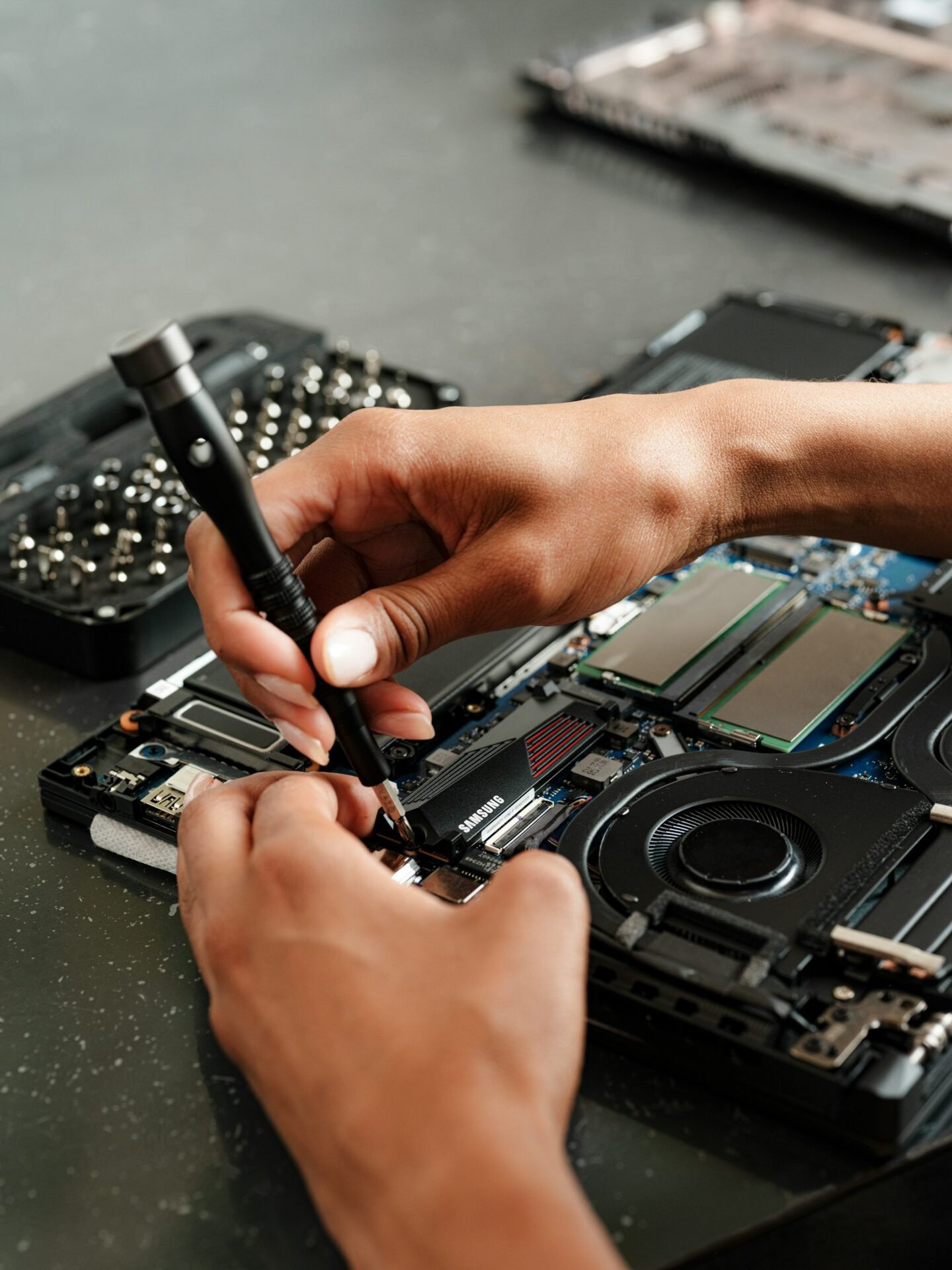
Ask these before you box anything up:
- Do you recover NVMe specifically, or only SATA SSDs and hard drives?
- Is the evaluation really free, and does it include a firm quote?
- What do you charge if nothing is recovered? No-data-no-charge should mean $0.
- Who handles my data, and do you sign NDAs on request?
- How fast is rush service if the drive is business-critical?
- Can you document chain of custody for forensic or compliance work?
A vendor that answers all six clearly is worth shipping to. Vague answers are your cue to keep looking.
Common Mistakes to Avoid When an NVMe Drive Fails
Actions That Permanently Destroy Recoverable Data
Do not keep booting the drive or run recovery software on it. Each power-up can trigger controller-level erase cycles that wipe data blocks for good. Avoid freezing, heating, or opening the drive, and never reinstall the operating system on it. If the drive holds sensitive business data, handing it to an unvetted shop risks exposure as well as loss.
The Correct First Response
Power down immediately and leave the drive alone. Note when the failure happened and what you were doing. Then get a free professional evaluation, since labs like Jet Data Recovery charge nothing unless data comes back. A clean first response, following these first steps after data loss, protects your best chance of recovery.
Your NVMe failure doesn’t have to be permanent. Jet Data Recovery offers a free evaluation and charges nothing if recovery fails.
Frequently Asked Questions
Q1: Which is the best SSD recovery service in Texas?
For NVMe failure, choose a Texas lab with dedicated flash tools and chip-off capability, such as Jet Data Recovery, which has operated in San Antonio since 2002.
Q2: How much does NVMe SSD recovery cost?
Evaluations are free, and reputable labs charge nothing if recovery fails.
Q3: Can I recover data from an NVMe drive myself?
No. Software tools risk triggering erase cycles that permanently destroy data.
Conclusion
NVMe recovery hinges on fast action and a lab with real flash expertise: power down immediately, avoid DIY software, and choose a Texas provider with chip-off capability, controller tools, and transparent terms like free evaluations and no-data-no-charge pricing. Jet Data Recovery, serving Texas since 2002, meets all six vetting questions.